Why are modern trucks and commercial vehicles upgrading to aluminum wheels?
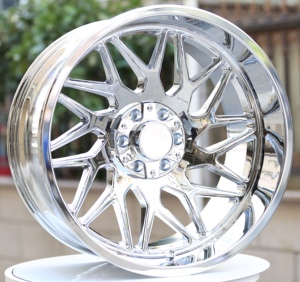
Vehicle performance and longevity depend heavily on the quality of the wheels supporting them. Among the most advanced options available, 22.5″ aluminum wheels stand out for their combination of lightweight construction, structural strength, and long-term durability. These wheels are engineered to withstand the demanding conditions of heavy loads and extensive driving while maintaining exceptional performance. Lighter than traditional steel wheels, aluminum wheels reduce the rotational mass, improving fuel efficiency, handling, and overall vehicle responsiveness.
What makes aluminum wheels stronger and more reliable than other materials?
The strength of aluminum wheels comes from advanced alloy engineering. These wheels are crafted to distribute stress evenly across the wheel structure, reducing the risk of bending or cracking under heavy loads. Unlike steel wheels, which are prone to rust and corrosion over time, aluminum alloys maintain structural integrity even in harsh weather conditions. This combination of durability and corrosion resistance ensures that aluminum wheels provide consistent, reliable performance over years of use.
How does the weight of aluminum wheels affect vehicle efficiency?
Weight plays a critical role in vehicle efficiency. By replacing heavier steel wheels with 22.5″ aluminum wheels, the unsprung mass is significantly reduced. Lower unsprung mass allows the suspension to respond more precisely to road surfaces, resulting in smoother acceleration, improved braking efficiency, and enhanced handling. This reduction in weight also contributes to better fuel economy, as engines expend less energy moving the vehicle.
Are aluminum wheels more resistant to environmental factors?
Yes, aluminum wheels offer exceptional resistance to environmental stressors. Road salt, moisture, and other corrosive elements that typically affect steel wheels have little impact on aluminum alloys. This corrosion resistance is particularly important for vehicles that operate in regions with heavy rainfall, snow, or coastal climates. Aluminum wheels maintain their integrity and appearance, ensuring that vehicles remain both safe and visually appealing.
Do aluminum wheels provide advantages in braking performance?
Absolutely. The lighter construction of aluminum wheels reduces rotational inertia, which allows brakes to respond more quickly and dissipate heat more effectively. Improved heat dissipation reduces the likelihood of brake fade during long hauls or repeated stopping scenarios. For drivers, this means more consistent braking performance, shorter stopping distances, and increased safety under varying driving conditions.
How does wheel durability affect tire life?
Durable aluminum wheels provide a stable and rigid platform for tires, helping them maintain optimal contact with the road. This reduces uneven tire wear and extends tire life. Trucks and commercial vehicles benefit significantly from this, as longer-lasting tires translate to lower operating costs and fewer unscheduled maintenance stops. The combination of wheel strength and tire performance ensures that vehicles operate efficiently and safely over extended periods.
Can aluminum wheels handle heavy loads reliably?
Yes, modern 22.5″ aluminum wheels are engineered specifically to support the demands of heavy-duty vehicles. Their alloy composition and design allow them to carry substantial weight without compromising performance or safety. By distributing stress evenly and resisting deformation, aluminum wheels offer a dependable solution for commercial trucks, delivery vehicles, and long-haul fleets. Reliability under load is one of the key reasons fleet operators and professional drivers choose aluminum over traditional materials.
Are aluminum wheels easier to maintain than steel wheels?
Aluminum wheels require minimal maintenance while providing superior performance. Their corrosion resistance reduces the need for protective coatings or regular rust prevention treatments. Routine cleaning to remove brake dust and road debris is usually sufficient to maintain both appearance and functionality. This low-maintenance nature allows fleet operators and individual vehicle owners to spend less time on upkeep while enjoying long-term durability and reliability.
Do aluminum wheels improve ride comfort?
Yes, the lighter weight of aluminum wheels enhances ride comfort. Reduced unsprung mass allows the suspension system to respond more effectively to road irregularities, resulting in smoother handling and reduced vibrations. This improvement is particularly noticeable during long trips, where driver fatigue can be mitigated through enhanced ride quality. For commercial fleets, increased driver comfort can contribute to improved safety and productivity over time.
How do aluminum wheels contribute to long-term operational efficiency?
The combination of lightweight construction, durability, and corrosion resistance makes aluminum wheels an excellent investment in operational efficiency. Fuel savings from reduced weight, extended tire life, and fewer wheel replacements reduce overall operating costs. Additionally, improved handling and braking performance enhance safety and reliability, further contributing to more efficient operations. For fleet managers and individual vehicle owners alike, aluminum wheels provide measurable benefits that impact both short-term performance and long-term cost-effectiveness.
Can aluminum wheels withstand extreme temperatures?
Yes, aluminum wheels are designed to perform under a wide range of temperatures. Unlike some materials that weaken or warp under extreme heat or cold, aluminum maintains its structural integrity and strength. This makes it ideal for vehicles operating in diverse climates, from hot asphalt highways to icy winter roads. The heat-dissipating properties of aluminum also protect brakes and other components, ensuring consistent performance regardless of environmental conditions.
Do aluminum wheels offer any environmental benefits?
Indirectly, yes. The fuel efficiency improvements from lighter wheels reduce overall carbon emissions during operation. Additionally, aluminum is a highly recyclable material, allowing manufacturers to incorporate recycled alloys without compromising strength or performance. Vehicles equipped with aluminum wheels can, therefore, operate more sustainably while maintaining peak efficiency and reliability.
How quickly can drivers notice the benefits of aluminum wheels?
Benefits from 22.5″ aluminum wheels are often apparent immediately after installation. Drivers can feel the difference in acceleration, braking responsiveness, and overall handling. Over time, additional advantages such as improved fuel economy, extended tire life, and reduced maintenance costs become increasingly evident. The combination of immediate performance gains and long-term savings makes aluminum wheels a compelling choice for both personal and commercial vehicles.
Are aluminum wheels suitable for all types of heavy-duty vehicles?
Yes, aluminum wheels are highly versatile. They are available in a variety of specifications tailored for light trucks, medium-duty vehicles, and full-size commercial trucks. Customizable options ensure that each vehicle receives the optimal balance of strength, weight, and durability. This adaptability makes aluminum wheels suitable for a wide range of applications, from local delivery trucks to long-haul freight operations.
Do aluminum wheels improve vehicle safety in addition to performance?
Yes, safety is a significant advantage of aluminum wheels. Their structural strength enhances handling and braking response, while their heat-dissipating properties prevent brake overheating. Lighter wheels reduce stress on suspension components, resulting in better vehicle stability and control. Collectively, these benefits create a safer driving experience, particularly for vehicles operating under heavy loads or in challenging road conditions.
Can upgrading to aluminum wheels influence the resale value of a vehicle?
Yes, upgrading to 22.5″ aluminum wheels can enhance both aesthetic appeal and functional reliability, positively impacting resale value. Potential buyers often recognize aluminum wheels as a sign of well-maintained and modernized vehicles. The combination of enhanced performance, durability, and visual appeal makes aluminum wheels an attractive feature, increasing the overall marketability of the vehicle.
How do aluminum wheels affect long-term reliability for fleets?
For fleets, aluminum wheels provide consistent, long-term reliability that translates to reduced downtime and lower operating costs. Their strength and durability reduce the risk of wheel failure, while lighter weight improves fuel efficiency and handling. Over time, these cumulative benefits ensure that fleet vehicles remain productive, safe, and cost-efficient, making aluminum wheels a strategic choice for professional operators.
Conclusion
22.5″ aluminum wheels are a sophisticated solution for drivers and fleet operators seeking long-lasting strength, reliability, and performance. Their lightweight construction improves fuel efficiency and handling, while their advanced alloy engineering ensures durability under heavy loads and challenging conditions. Aluminum wheels resist corrosion, reduce maintenance requirements, and enhance tire longevity, all contributing to operational efficiency and long-term cost savings. Beyond their functional benefits, aluminum wheels provide modern aesthetics, improve ride comfort, and enhance vehicle safety. For anyone committed to maximizing performance and reliability, these wheels represent a smart investment that delivers measurable advantages mile after mile.